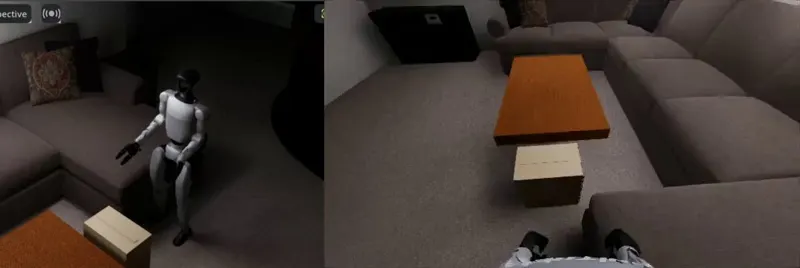
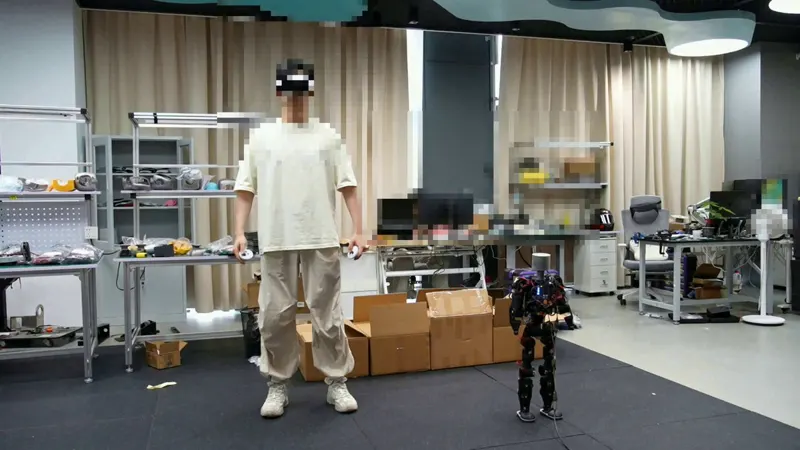
SIMPLE, accepted to CoRL 2026, brings SONIC whole-body humanoid teleoperation directly into simulation: up to 3x higher data-collection efficiency than real-robot teleop, fast parallel policy rollouts, and a unified benchmark covering mainstream VLA and world-action models including GR00T, DreamZero, Cosmos3, pi0 and pi0.5. Collect, evaluate and iterate faster without a real humanoid in the loop.
Robot-assisted dressing breaks the moment the person moves: the garment deforms and the robot loses contact. Dressing in Motion trains a visuomotor diffusion policy only on static demonstrations, then represents the moving arm with an object-centric PDE-diffusion formulation so the same policy generalizes to dynamic arm motion. A sim and real study with 9 participants, 3 garments and 6 arm-motion patterns beats baselines on dressing progress, degrees of freedom and comfort.
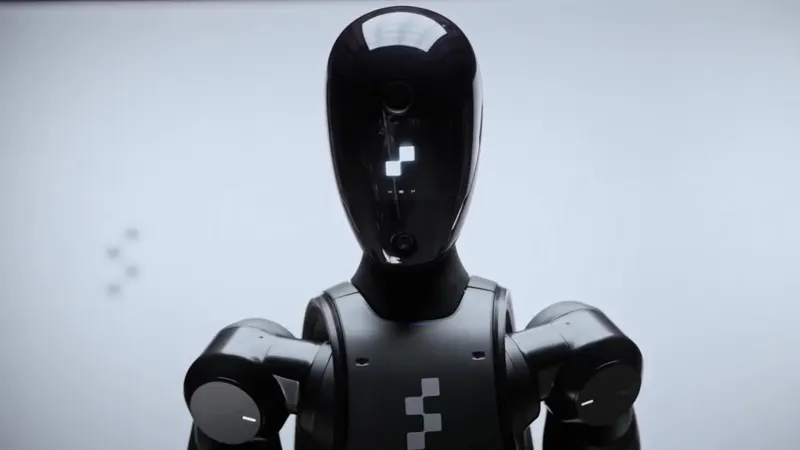
Foxglove founder Adrian MacNeil reads Figure week: Index, a creator network uploading about half an hour of real-world task video every second across 100+ countries, then a Nscale compute deal starting at $3.5B with intent past $6B and up to 100,000 NVIDIA Vera Rubin GPUs. Capture and compute are prerequisites; search and curation of the 1% that actually teaches the model is what compounds.
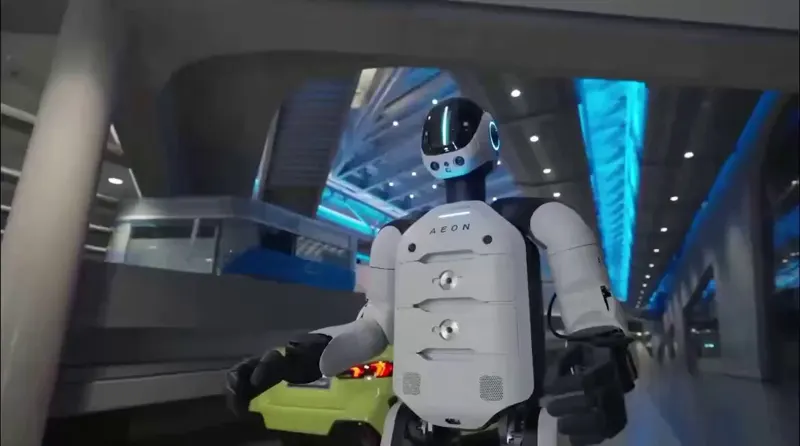
Shared via CyberRobooo, the clip follows a white humanoid branded AEON carrying parts bins and walking the floor of a BMW plant in Germany, a glimpse of humanoids entering automotive manufacturing.
BRIDGE is an 88 cm open-source humanoid whose joint layout, body proportions, actuators and controller are co-designed, adapting the robot body to motion instead of forcing human motion onto it, a platform for Physical AI research.
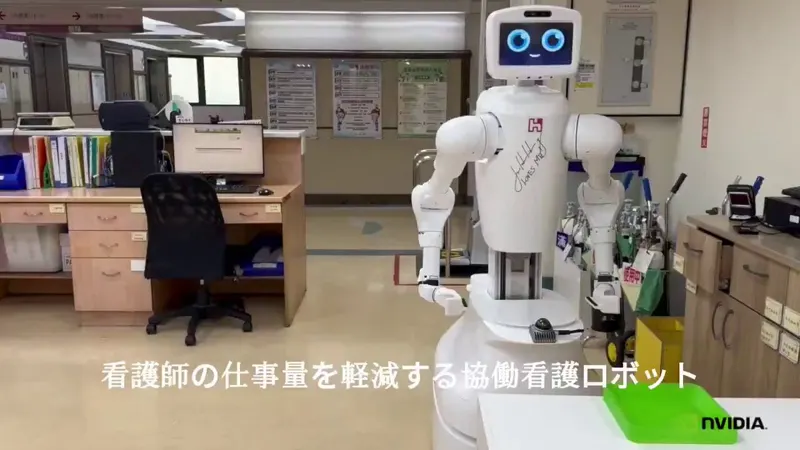
Nurabot, built by Foxconn and Kawasaki, uses NVIDIA physical AI to deliver medication, transport specimens, patrol wards, and guide visitors, potentially reducing nurses workload by up to 30%.
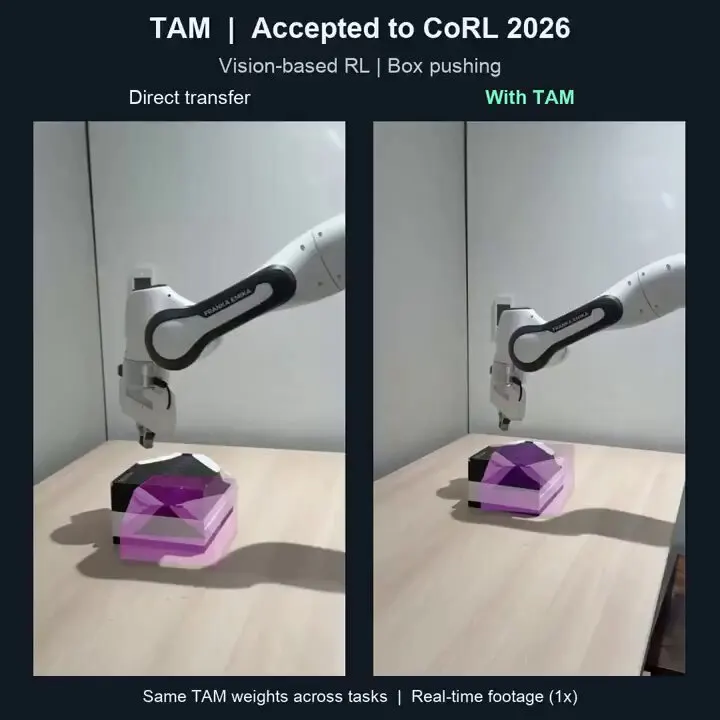
TAM sits between the low-level controller and torque interface, using proprioceptive history to predict residual torque corrections and transfer zero-shot from randomized simulation to a real Franka.
VLAct turns a fixed robot-data budget into transferable visual-action knowledge through multi-embodiment representation-centric continued pre-training, improving simulation, real-world, and unseen-embodiment transfer.
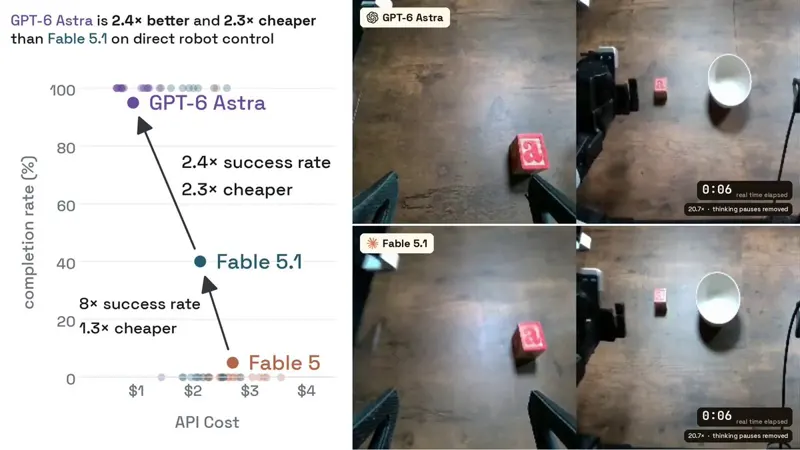
A shared demo claims 95% direct robot-control success for GPT-6 Astra, but its runs reportedly show the same SUCCESS banner despite near drops and first-attempt failures.
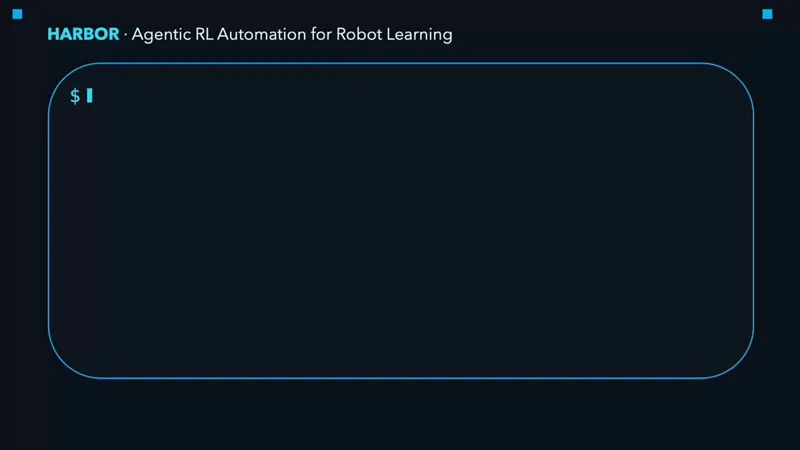
HARBOR, accepted at CoRL 2026, autonomously builds a task, designs rewards, trains, tunes, and evaluates a robot policy from one prompt in a simulator, reaching a policy in about 1.5 hours.
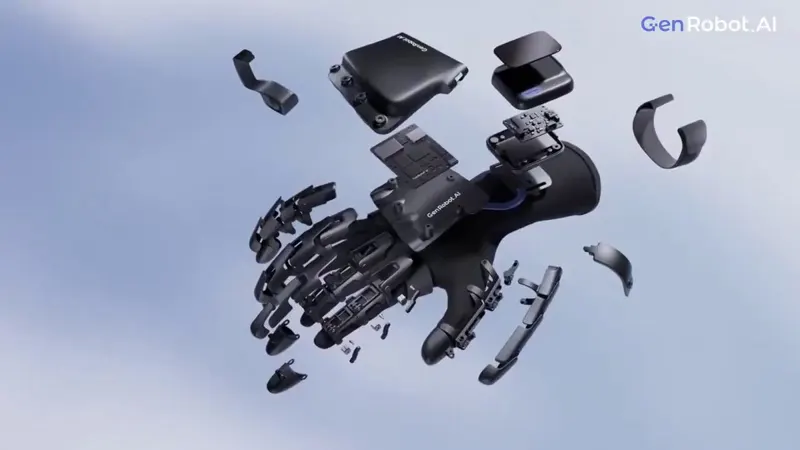
The video shows how GenRobot smart hand captures human motion, shared by @CyberRobooo and focused on robotics and physical AI.
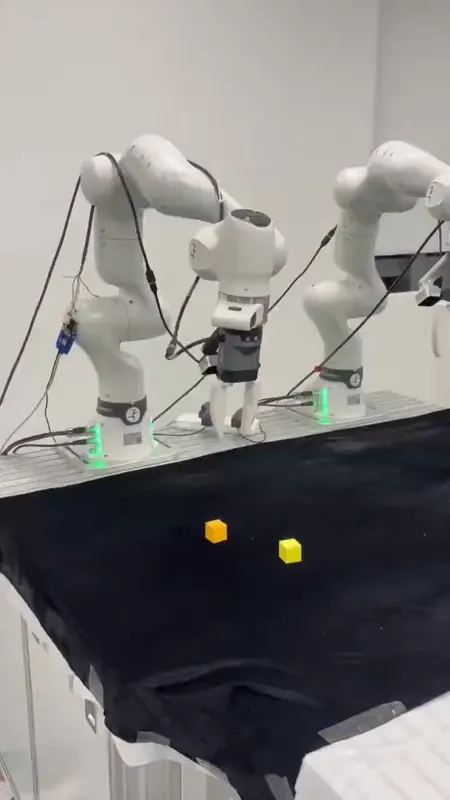
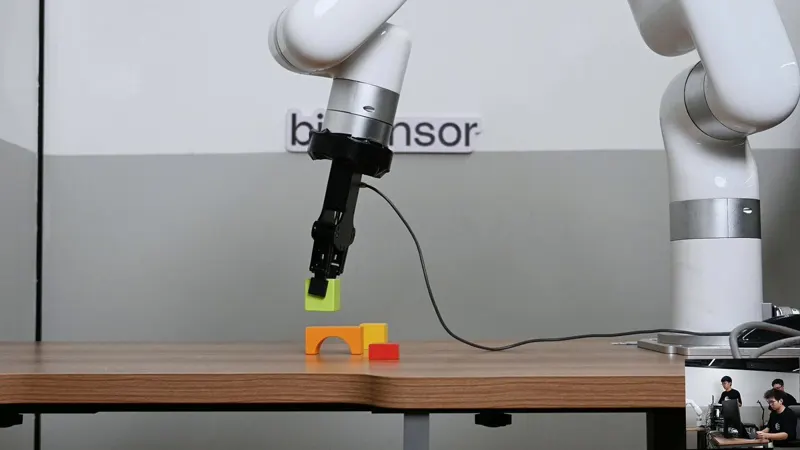
OpenRoboto is running an xArm 6 real-robot validation station, with teleoperation and model checks before publishing the simulation champion model on hardware.