BLOG
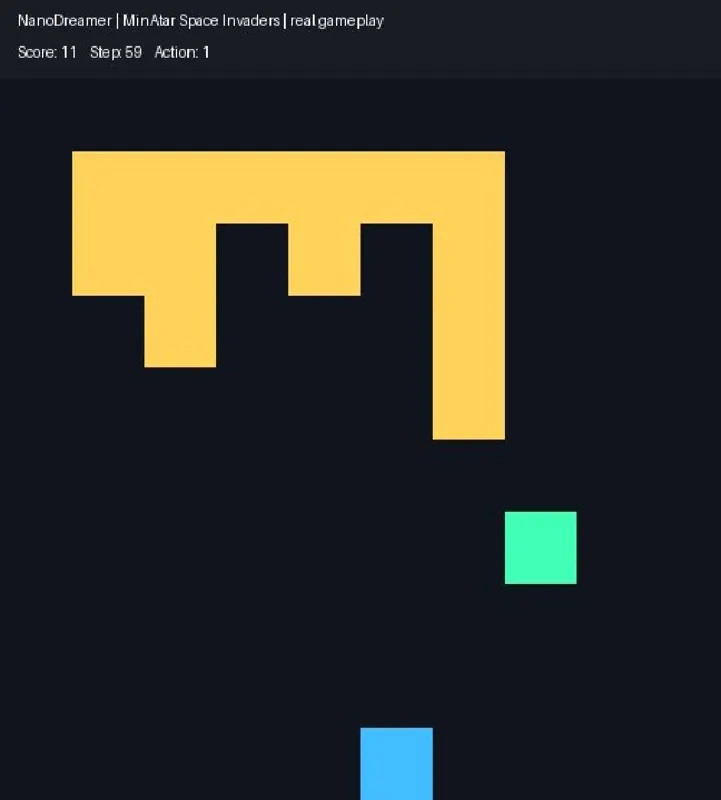
Built from a custom autograd engine to a 750k-parameter Dreamer, NanoDreamer trains its actor entirely in imagined rollouts and beats random play across all five MinAtar games. The write-up keeps the failed first attempt, reward-timing diagnostics, critic optimism, CNN/multi-step rebuild, and ablations.
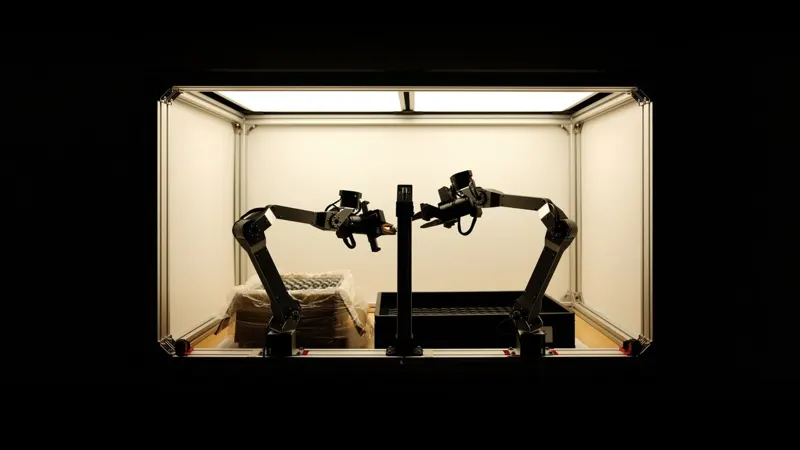
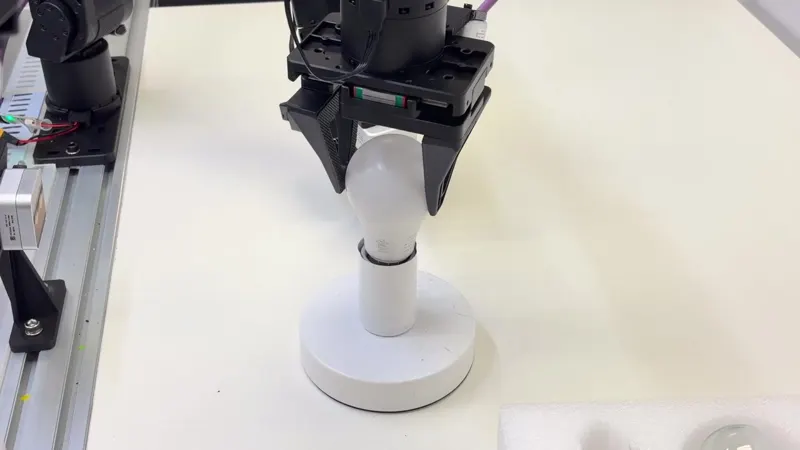
Dream Machines fine-tunes pi0.5 on a bimanual actuator unboxing task: 76% with 21h of data, 90% after one clean hour, 93% from RTC serving settings alone, while LoRA and training from scratch fall far short.
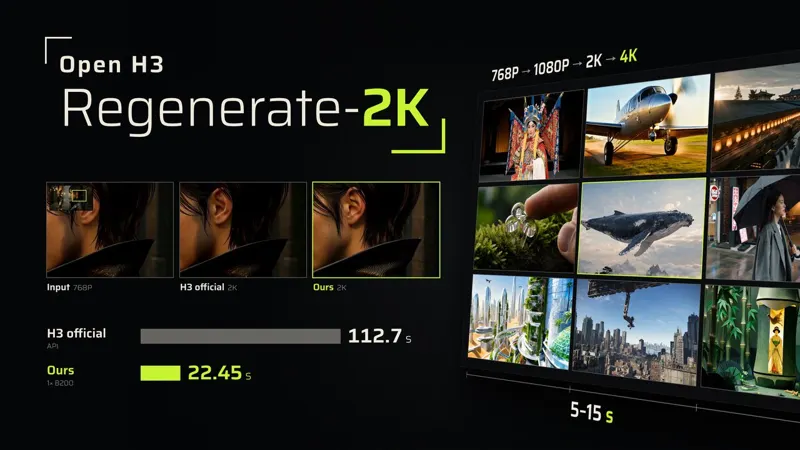
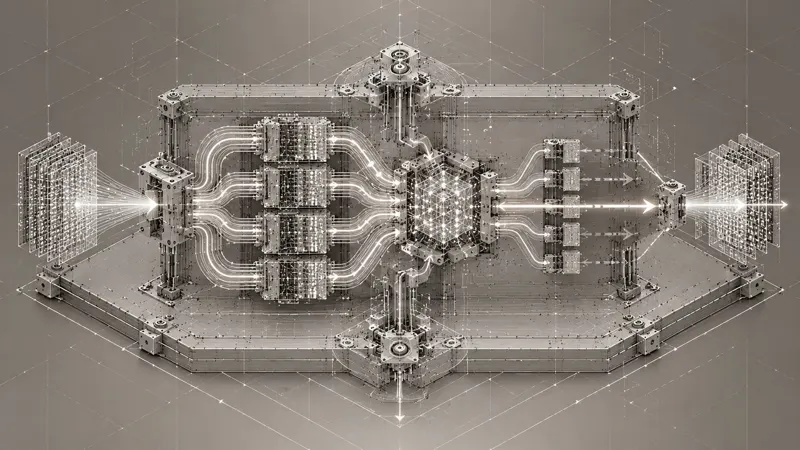
Open-H3-Regenerate-2K freezes H3 and trains only a refiner LoRA, combining latent upscaling with three diffusion steps to redraw drafts natively from 768P to 4K.
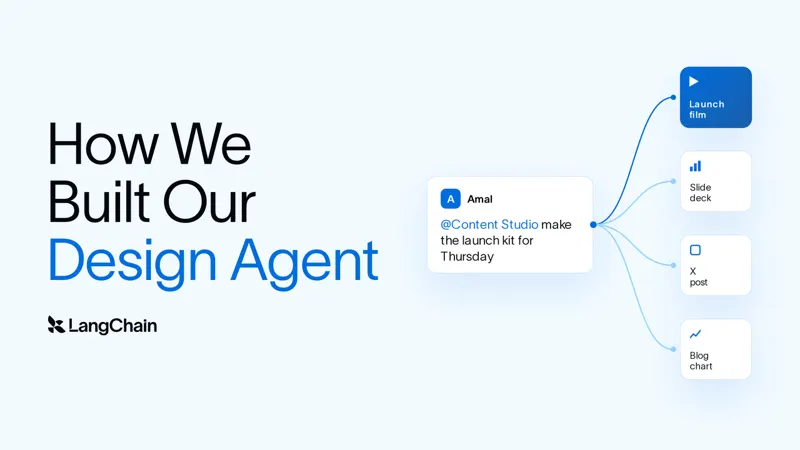
Inside Content Studio: how LangChain turned design taste into skills, wiki context, code gates, and memory, then paired it with a persistent sandbox, two motion engines, and async subagents.
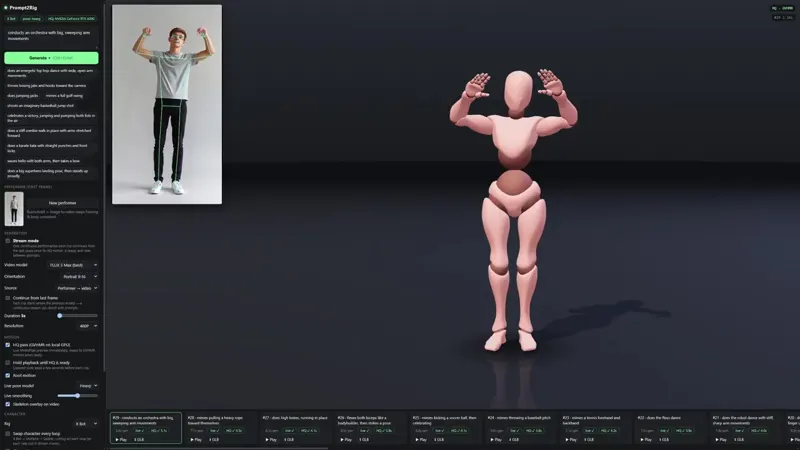
prompt2rig turns a text prompt into a generated performer clip, then reconstructs full-body and finger motion with browser MediaPipe and local GVHMR/WiLoR before retargeting to Mixamo and exporting GLB.
System One models skip token-by-token answers and return a choice, score, or probability in one forward pass. A guide to 15 studies on dynamic candidates, multimodality, retrieval, and selective reasoning.
AW-0 jointly denoises a generated skill program, future video and action chunk. Code guides control without being executed by default, while a gated hybrid mode can run verified programs.
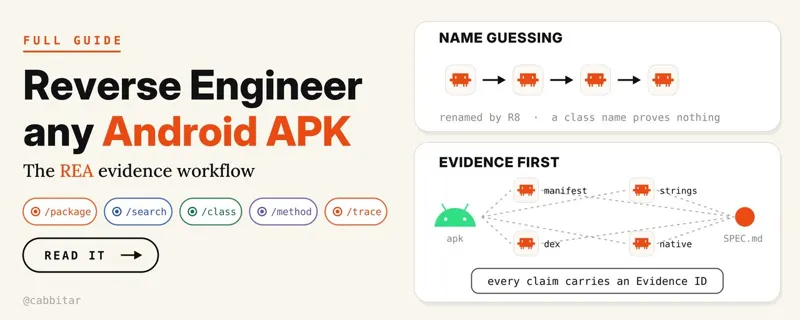
REA gives a coding agent a real decompiler, but the Android engine ships separately. The full path: JDK 17, the pinned JADX jar with digest check, the map-before-you-read prompt, evidence labels, and the clean-room rule.
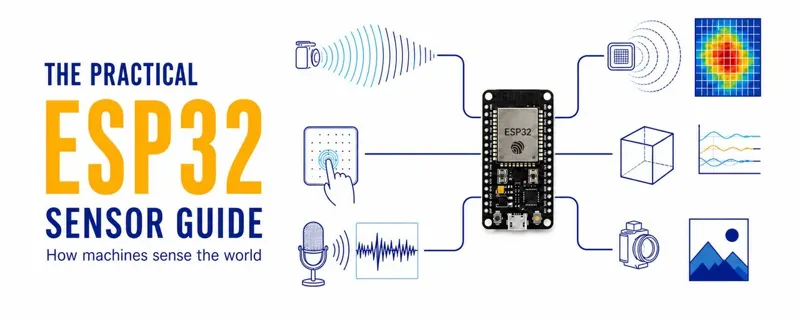
From a dusk-light LDR circuit to a multi-sensor rover, one ESP32-S3 guide connects GPIO, ADC, I2C, SPI, hysteresis, persistence, and fail-safe sensing into a testable perception loop.
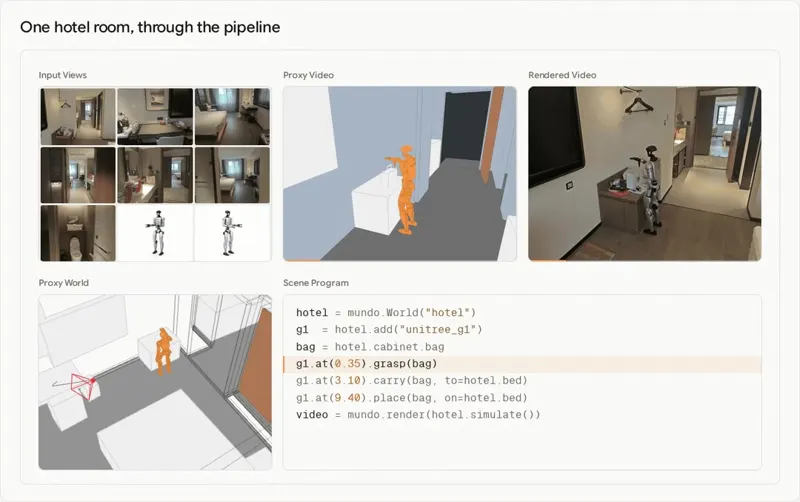
A few photos become a world you can explore, edit and simulate: a 3D proxy plus a code scene program drive simulation while a video model renders it, supporting new views and Real-to-Sim robotics.
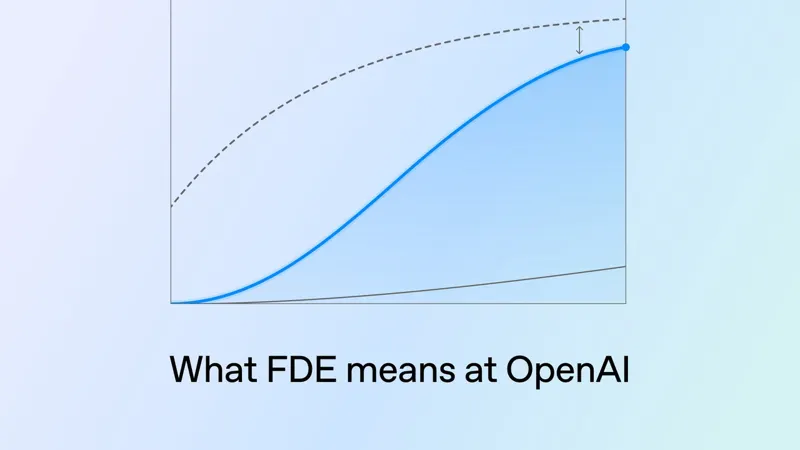
OpenAI's Colin Jarvis explains the deployment gap through semiconductor verification, Tax AI, telecom voice, reusable Codex primitives, and the research feedback loop.
A hands-on route from empty Unreal project to playable slice with Claude Opus 5.5, including MCP setup, staged prompts, live-editor limits, costs, and recovery.
As an Amazon Associate, we earn from qualifying purchases.