Skip to content
← Back to Components

SolidVue SV120 Area-Array SPAD-SoC dToF Chip

Vendor: SolidVue (Korea)

Product: SV120 SPAD-SoC dToF
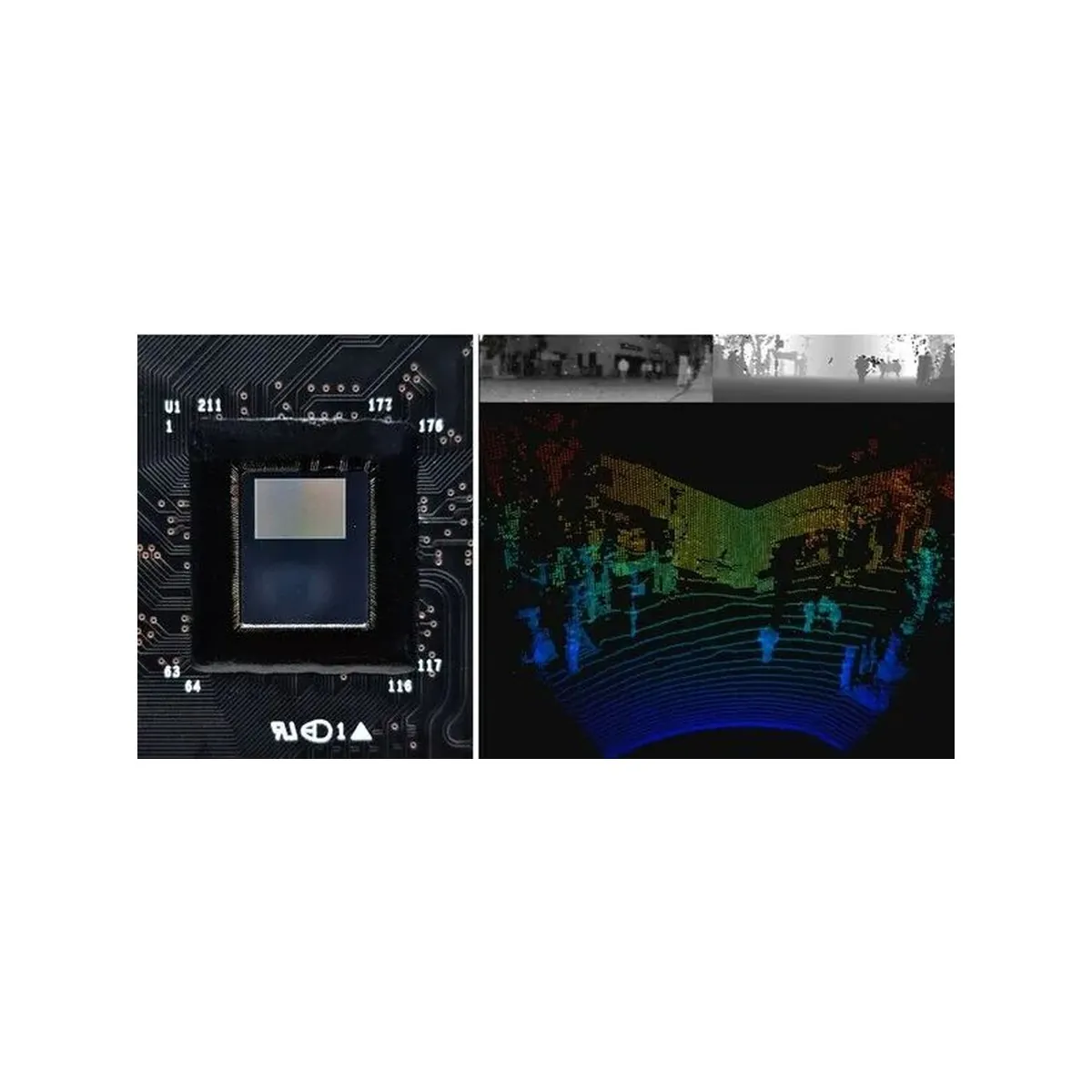
SolidVue SV120 Area-Array SPAD-SoC dToF Chip

SolidVue SV120 from Korea: an area-array SPAD-SoC using CMOS-process SPAD pixels and a full-chip dToF architecture, up to 512x384 resolution and 48 m range, targeting mass production in Q2 2027 — entering a crowded single-chip color SPAD-SoC race against in-house efforts from RoboSense, Hesai and Huawei as well as chip vendors such as Fushi Technology and Lingming Photonics.

PixelCMOS SPAD
Range48 m
Resolution512 × 384
ArchitecturedToF
Mass Production2027 Q2

Related Components

Bothlent XFM-10X21-MINI Acoustic Noise Reduction Module

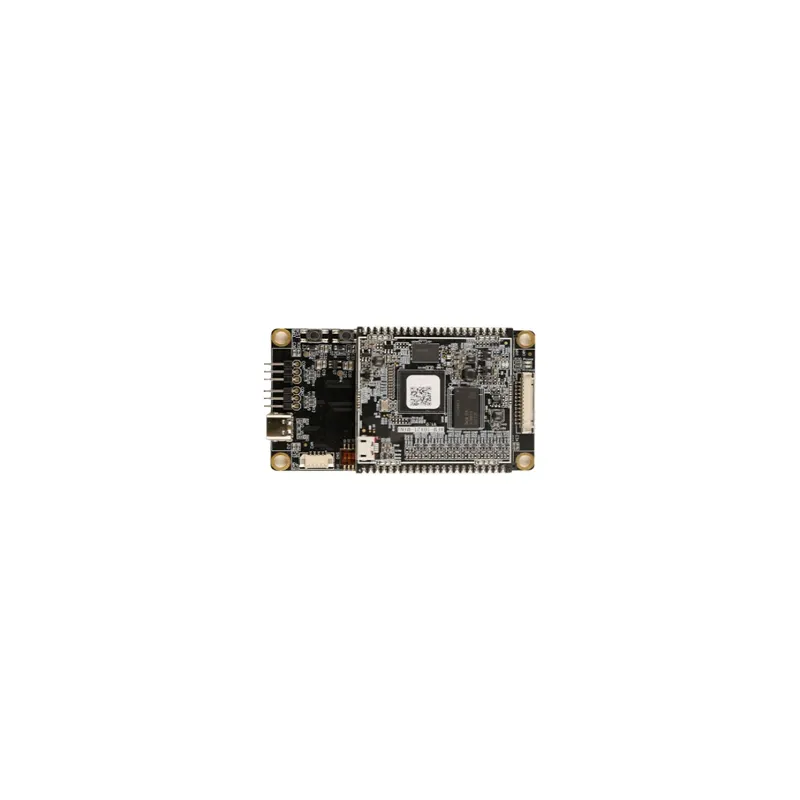
Bothlent XFM-10X21-MINI Acoustic Noise Reduction Module

The XFM-10X21-MINI is a standardized acoustic noise-reduction hardware module from Bothlent for AI robots, smart cockpits, ATMs, hospital queue terminals, and other AIoT devices. It combines environmental noise removal, echo cancellation, VoIP call noise reduction, microphone-array wake-up, sound-source localization, and super-directional pickup with voice-separation and sound-classification algorithms. Beyond speech processing, it distinguishes natural sounds such as thunder, birds, and animals from specific human sounds such as snoring and coughing, making it suitable for noise-pollution control, smart security, and home health-monitoring devices. The vendor page does not disclose the microphone-array count, pickup range, interface, or electrical specifications.

Acoustic Noise Reduction ModuleVoice Separation
Bothlent RDM-Lite-X2 Android Board for Voice and Video Large Models

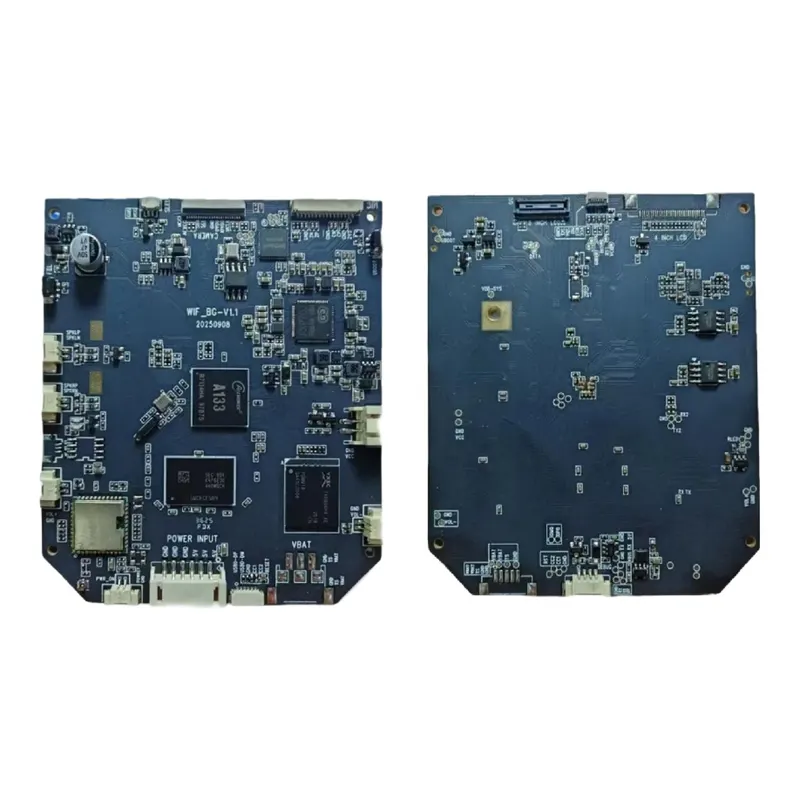
Bothlent RDM-Lite-X2 Android Board for Voice and Video Large Models

RDM-Lite-X2 is a Bothlent Android board designed for voice and video large-model integration in AI robots, intelligent voice terminals, and industrial IoT devices. Its microphone array and on-device acoustic algorithms support 1-5 m interaction, 180- or 360-degree sound-source localization, directional pickup, environmental sound classification, multi-speaker separation, and 0.3-second wake-up. The board connects to Doubao, Coze, Qwen, Tencent Hunyuan, and MiniMax and supports Android application development and integration.

Android BoardVoice and Video Models
Bothlent RDM-Lite-X1 AI Voice Interaction Module

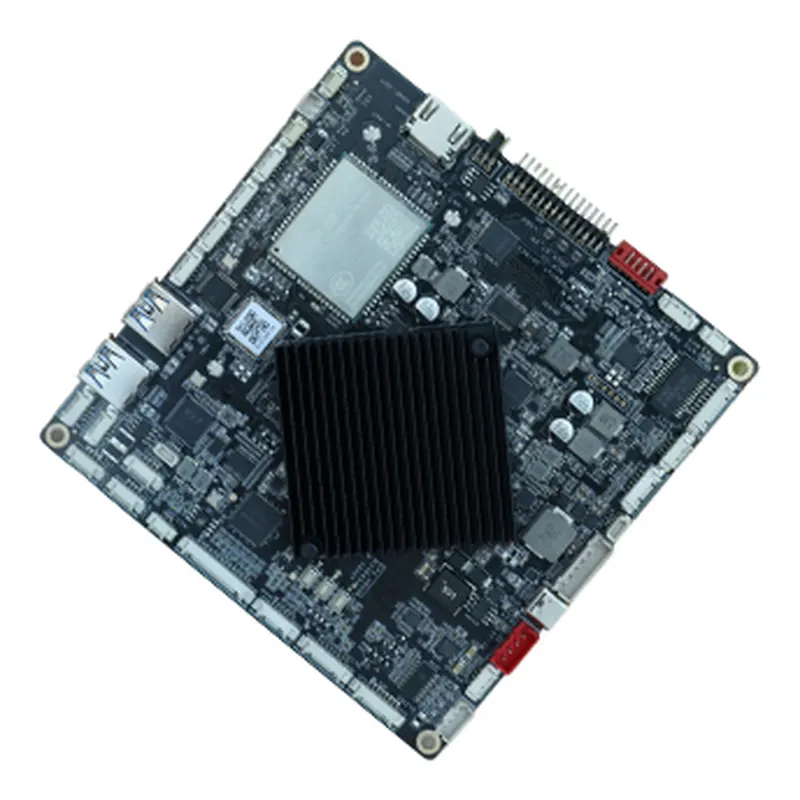
Bothlent RDM-Lite-X1 AI Voice Interaction Module

RDM-Lite-X1 combines a sound card and Android mainboard in one voice-interaction module for AI robots, intelligent voice terminals, and industrial IoT systems. It uses a microphone array and a 6 TOPS NPU to support 1-5 m interaction, 180- or 360-degree sound-source localization, directional pickup, environmental sound classification, multi-speaker separation, and 0.3-second wake-up. It connects to Doubao, Coze, Qwen, Tencent Hunyuan, and MiniMax, supports secondary Android application development, and adds visual detection to acoustic processing through the AVSS multimodal approach.

AI Voice ModuleSound Source Localization
Bothlent TS-USB Sound-Card Human Interaction Module

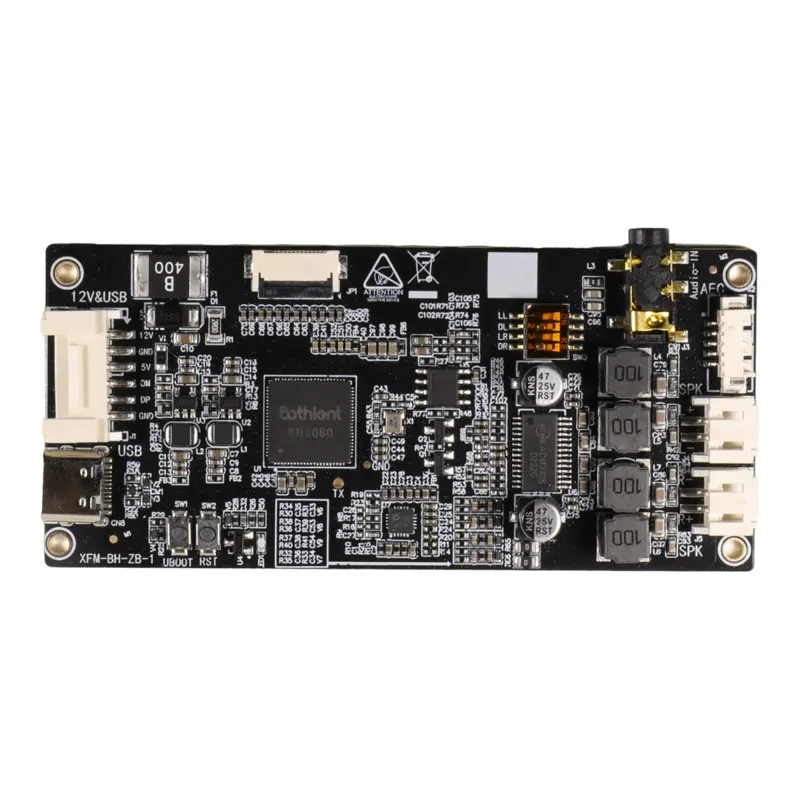
Bothlent TS-USB Sound-Card Human Interaction Module

The TS-USB is an integrated voice-interaction module from Bothlent for humanoid robots, digital-human terminals, service terminals, and AIoT devices. It supports 6-microphone 360-degree or 4-microphone 180-degree sound-source localization, uses a 60-degree pickup beam and echo cancellation to suppress environmental and loudspeaker interference, and provides accurate speech recognition at 1-2 m in noisy settings or 3-5 m in quiet settings. The USB plug-and-play module connects to Doubao, Qwen, and MiniMax models and supports industry knowledge bases plus multimodal interaction that combines visual detection with acoustic noise reduction.

Acoustic ModuleFar-Field Speech

As an Amazon Associate, we earn from qualifying purchases.